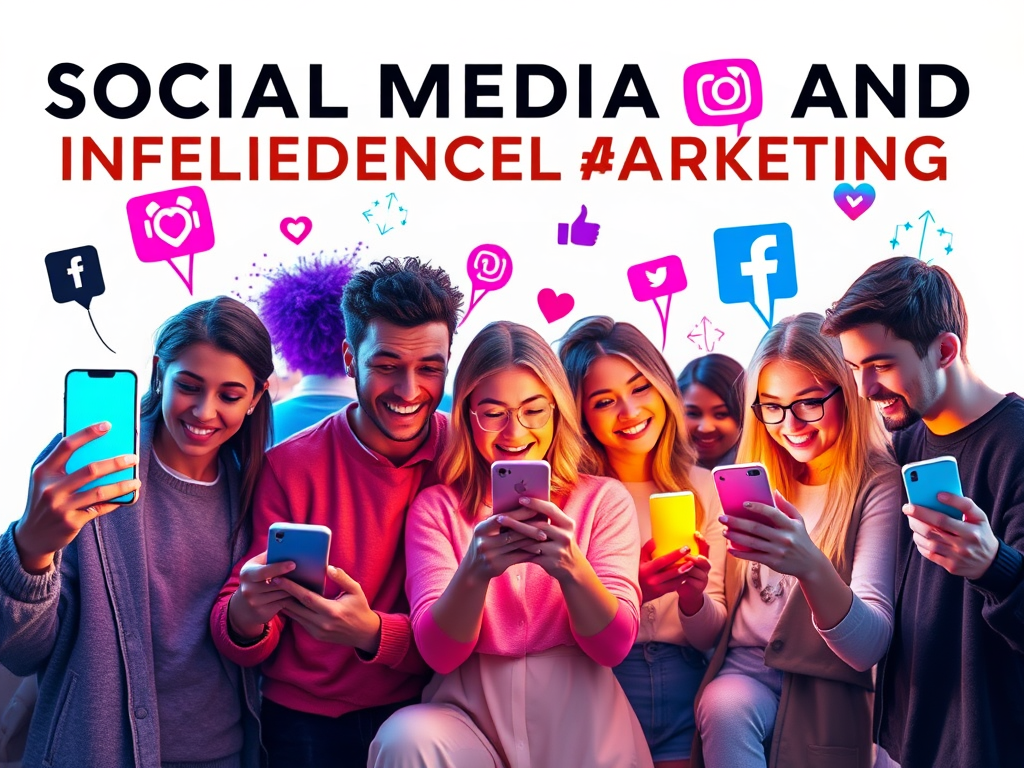
In today’s digital-first world, consumers interact with brands on a variety of social platforms, each with its own style, audience, and engagement opportunities. Multi-channel social media marketing is a strategy where brands use multiple social media platforms to promote products, services, and content, providing a unified message across channels while tailoring the content to the unique attributes of each platform. By adopting a multi-channel approach, brands can maximize their reach, engage different audience segments, and foster a stronger brand presence. This article delves into the importance of multi-channel social media marketing, its benefits, and effective strategies for implementing it.
What is Multi-Channel Social Media Marketing?
Multi-channel social media marketing involves creating and distributing content across several social media platforms to engage diverse audiences. This approach goes beyond simply posting the same message on each platform; it requires understanding the unique dynamics of each channel and tailoring content accordingly. For example, a brand may share a visually-driven campaign on Instagram, a more professional or informative version on LinkedIn, and a quick, catchy version on Twitter.
The ultimate goal of a multi-channel strategy is to meet users where they are and provide a consistent brand experience across platforms. By being present on multiple channels, brands can capture more attention, increase awareness, and drive better engagement with their audience.
Why Multi-Channel Social Media Marketing Matters
- Reaching Diverse Audiences: Each social media platform attracts a different demographic and type of user. While younger audiences might prefer TikTok and Instagram, LinkedIn attracts professionals, and Facebook reaches a broad, multi-generational audience. A multi-channel approach allows brands to reach and engage different segments, ensuring that no potential customer is left out.
- Enhancing Brand Visibility and Awareness: When a brand is active on multiple platforms, it increases its visibility. Consumers are more likely to remember and trust brands they see frequently across various channels. Consistent messaging across channels reinforces brand identity and awareness, helping users recognize and recall the brand more easily.
- Creating a Seamless Customer Journey: A multi-channel strategy ensures that users have a consistent experience with the brand, regardless of the platform. A potential customer might see an ad on Instagram, check product reviews on Facebook, and then visit LinkedIn to learn more about the brand’s credibility. A unified strategy allows for a seamless journey, enhancing the likelihood of conversions.
- Boosting Engagement and Conversions: Different types of content resonate on different platforms. A multi-channel strategy allows brands to customize content to drive engagement and appeal to the unique user base of each channel. By catering to platform-specific preferences, brands can create deeper connections with users, leading to higher engagement and conversions.
Key Strategies for Effective Multi-Channel Social Media Marketing
- Know Your Audience on Each Platform: The demographics and preferences of users can vary significantly from one platform to another. For example, Instagram and TikTok are popular with younger audiences, while Facebook has a broader age range, and LinkedIn attracts professionals. Understanding the demographics and behavior on each platform enables brands to tailor their content and messaging to resonate with the unique audience on each channel.
- Create Platform-Specific Content: Each platform has its own best practices for content format and style. Instagram, for instance, is highly visual and performs best with images, Stories, and Reels, while Twitter is fast-paced and ideal for quick updates and trending topics. LinkedIn supports more professional content, and Facebook works well for community building. Tailoring content to each platform’s strengths increases engagement and ensures that content feels natural and relevant.
- Maintain Consistent Branding Across Channels: While each platform should feature unique content, the brand’s voice, style, and values must remain consistent across channels. A unified brand image reinforces trust and credibility, making it easier for customers to identify and connect with the brand across platforms. Consistent branding includes visual elements, such as logos, color schemes, and fonts, as well as the tone of messaging.
- Leverage Data and Analytics: Social media platforms offer detailed analytics that can provide insights into audience behavior, engagement rates, and conversion metrics. Regularly monitoring these insights allows brands to refine their strategy, identify successful campaigns, and understand what resonates with their audience. By measuring performance, brands can continuously optimize their approach for each platform.
- Engage and Interact with Followers: Multi-channel marketing isn’t just about broadcasting messages—it’s about engaging with users. Each platform has different ways to interact with audiences, whether through comments, direct messages, live streams, or polls. By actively engaging with followers, brands build relationships, gather valuable feedback, and create a community around their brand.
- Use Scheduling Tools to Streamline Posting: Managing multiple platforms can be time-consuming. Social media management tools like Hootsuite, Buffer, and Sprout Social allow brands to schedule posts, monitor engagement, and analyze performance from a single dashboard. These tools streamline the process, ensuring that brands maintain a consistent posting schedule and timely interactions with their audience.
- Experiment with Paid Advertising on Multiple Platforms: Most social media platforms offer advertising options that allow brands to reach specific demographics. From Instagram’s visual ads to LinkedIn’s professional targeting, paid ads provide opportunities to reach a broader audience with precision. Testing ads on different platforms helps identify where the brand receives the best ROI, enabling better allocation of marketing resources.
Examples of Multi-Channel Social Media Marketing
- Nike: Nike utilizes a multi-channel strategy effectively, creating diverse content for each platform. While Instagram is used to highlight athletic achievements and showcase inspirational stories, Twitter focuses on updates and quick interactions with fans. LinkedIn emphasizes company culture and partnerships, targeting professionals in the sports and fitness industries.
- Coca-Cola: Coca-Cola is known for its multi-channel campaigns that adapt to the spirit of each platform. For example, on Facebook, Coca-Cola engages with its large audience through nostalgic and festive content, while on Twitter, it’s quick to respond to customer queries and engage with current trends.
- Apple: Apple’s multi-channel strategy includes product launches and engaging visuals on Instagram, professional achievements on LinkedIn, and tech innovation updates on Twitter. This diverse approach ensures Apple maintains a strong presence across channels, capturing the attention of different audience segments.
Best Practices for Multi-Channel Social Media Marketing
- Set Clear Objectives for Each Platform: Define specific goals for each channel, whether it’s driving website traffic from Instagram, building a community on Facebook, or increasing brand authority on LinkedIn.
- Optimize Posting Frequency: Each platform has its own optimal posting frequency. For example, Twitter requires more frequent updates due to its fast pace, while LinkedIn posts can be less frequent but more substantial.
- Repurpose Content Creatively: While each platform requires unique content, repurposing can save time and resources. A long-form blog post can become a series of tweets, a video snippet, and a graphic for Instagram.
- Stay Updated on Platform Trends: Social media trends evolve quickly, and platforms regularly introduce new features. Staying updated on these trends allows brands to leverage the latest tools and formats, keeping their strategy fresh and relevant.
Multi-channel social media marketing is essential in a digital landscape where consumers engage with brands across multiple platforms. By reaching audiences wherever they are, brands can foster deeper connections, increase engagement, and drive better results. Through tailored content, consistent branding, and data-driven insights, brands can leverage multi-channel marketing to establish a robust presence that resonates with diverse audiences and strengthens brand loyalty. As social media continues to evolve, a well-executed multi-channel strategy will remain a powerful tool for brand growth and success.
 BEST Academy
Leave a comment